
Japanese Pearling and Cemetery on Thursday Island
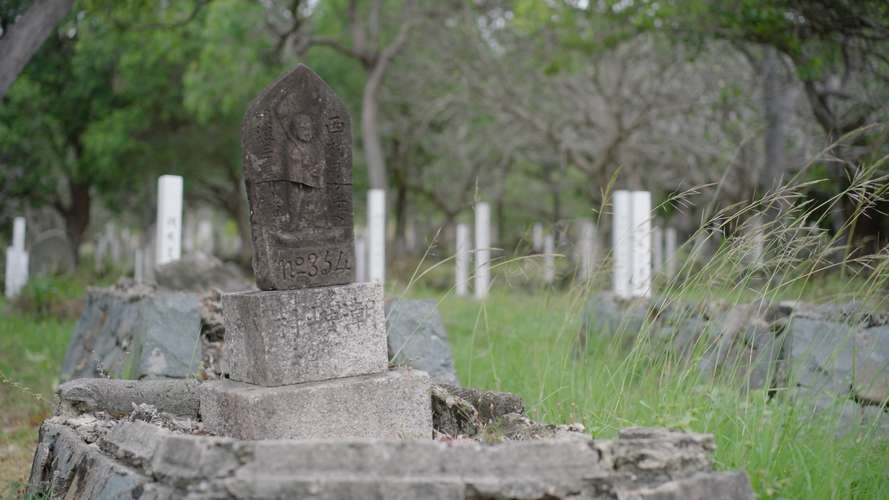
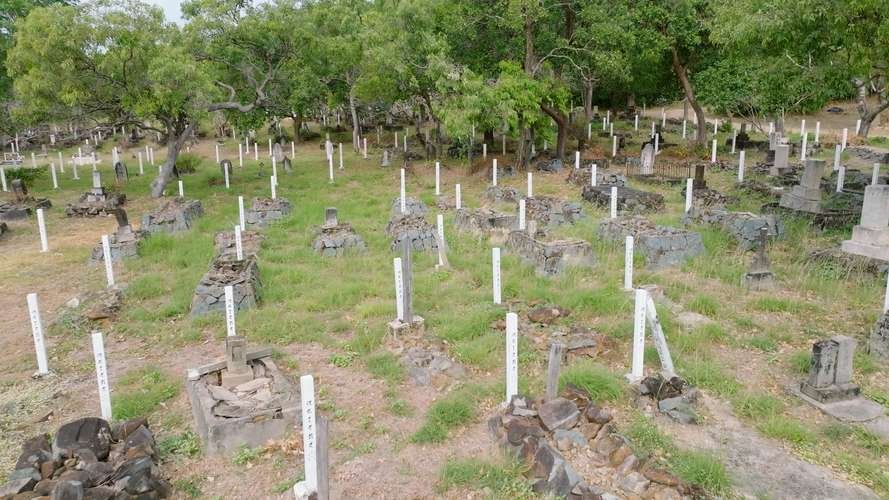
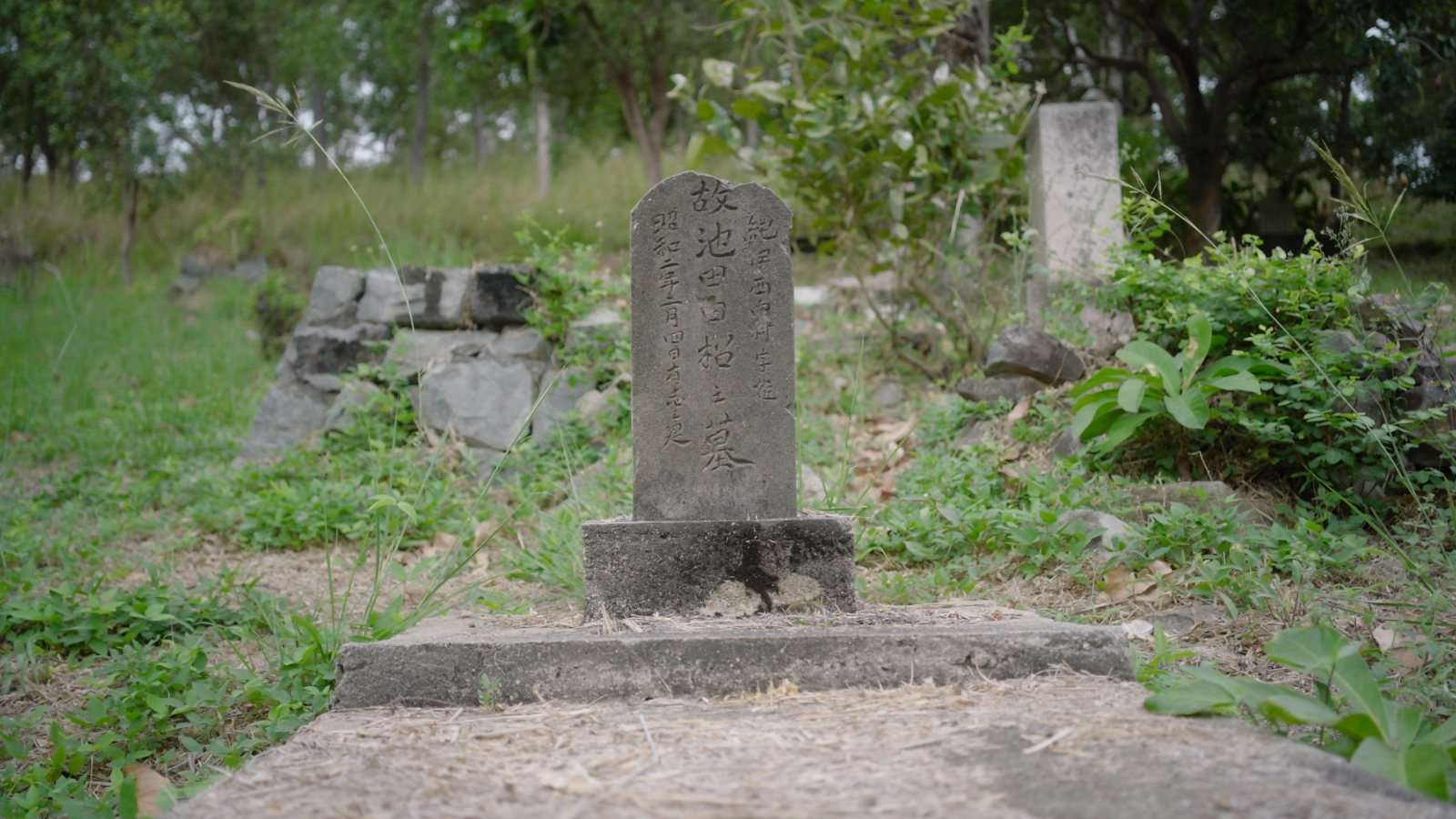
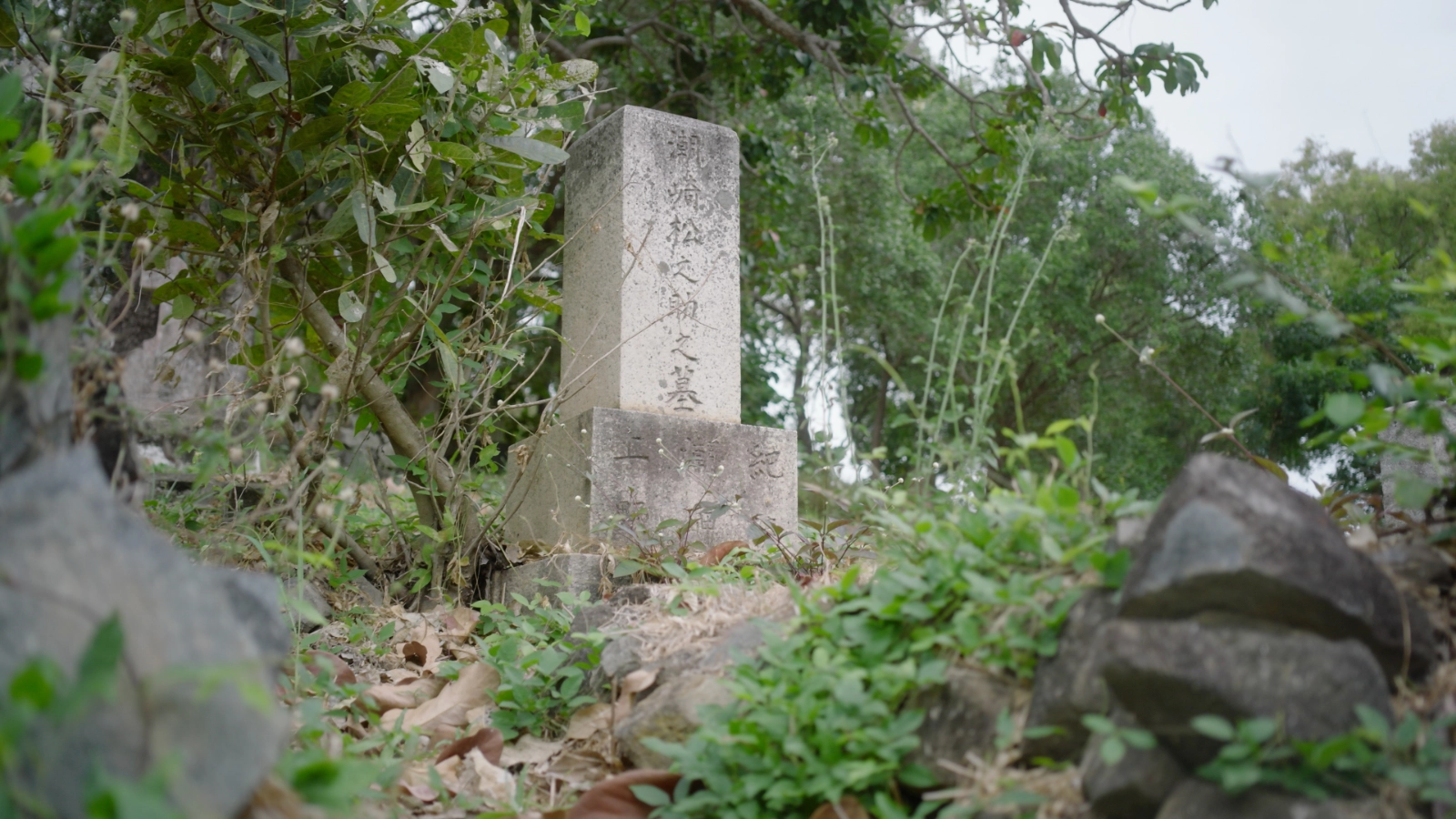
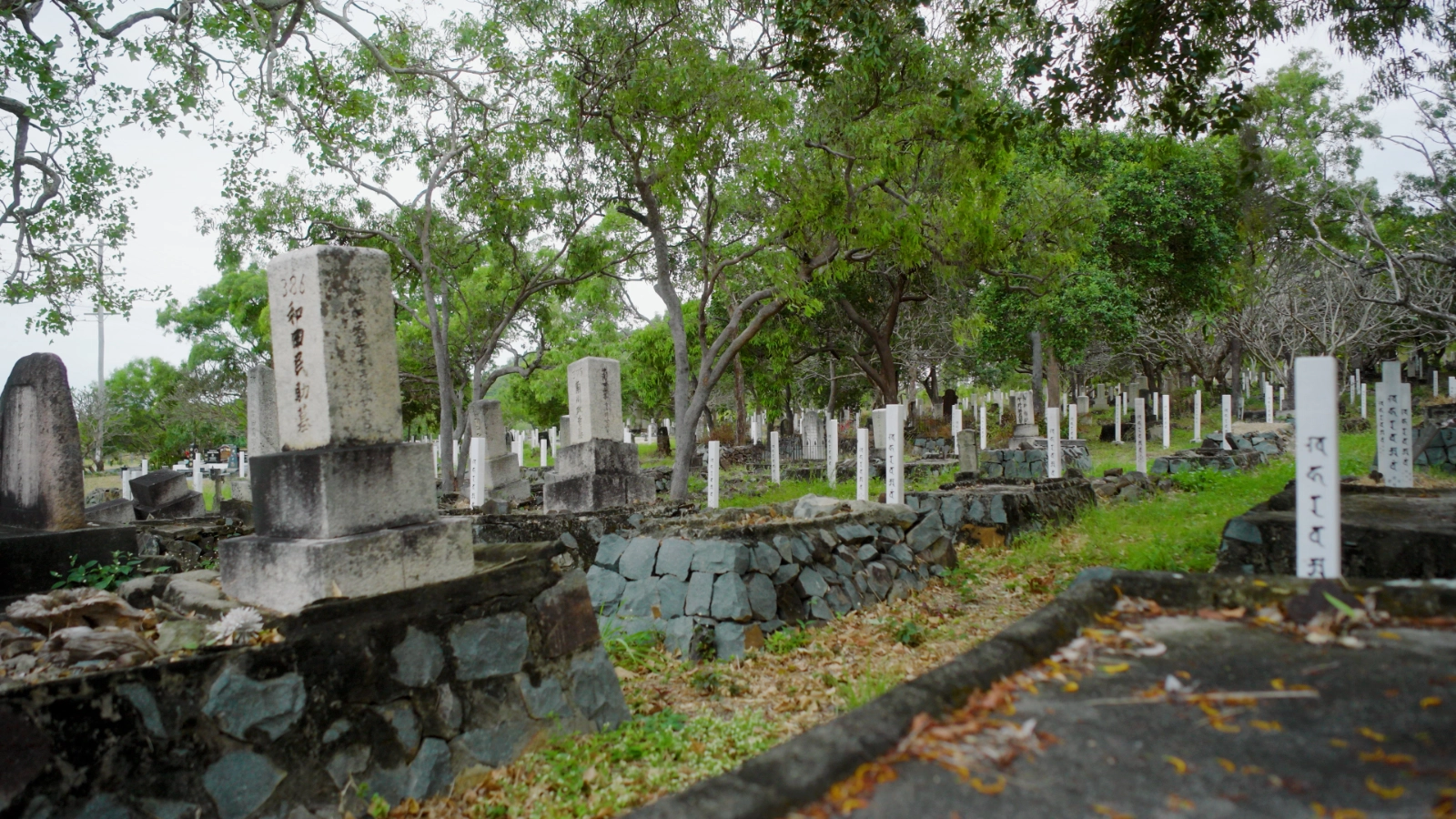
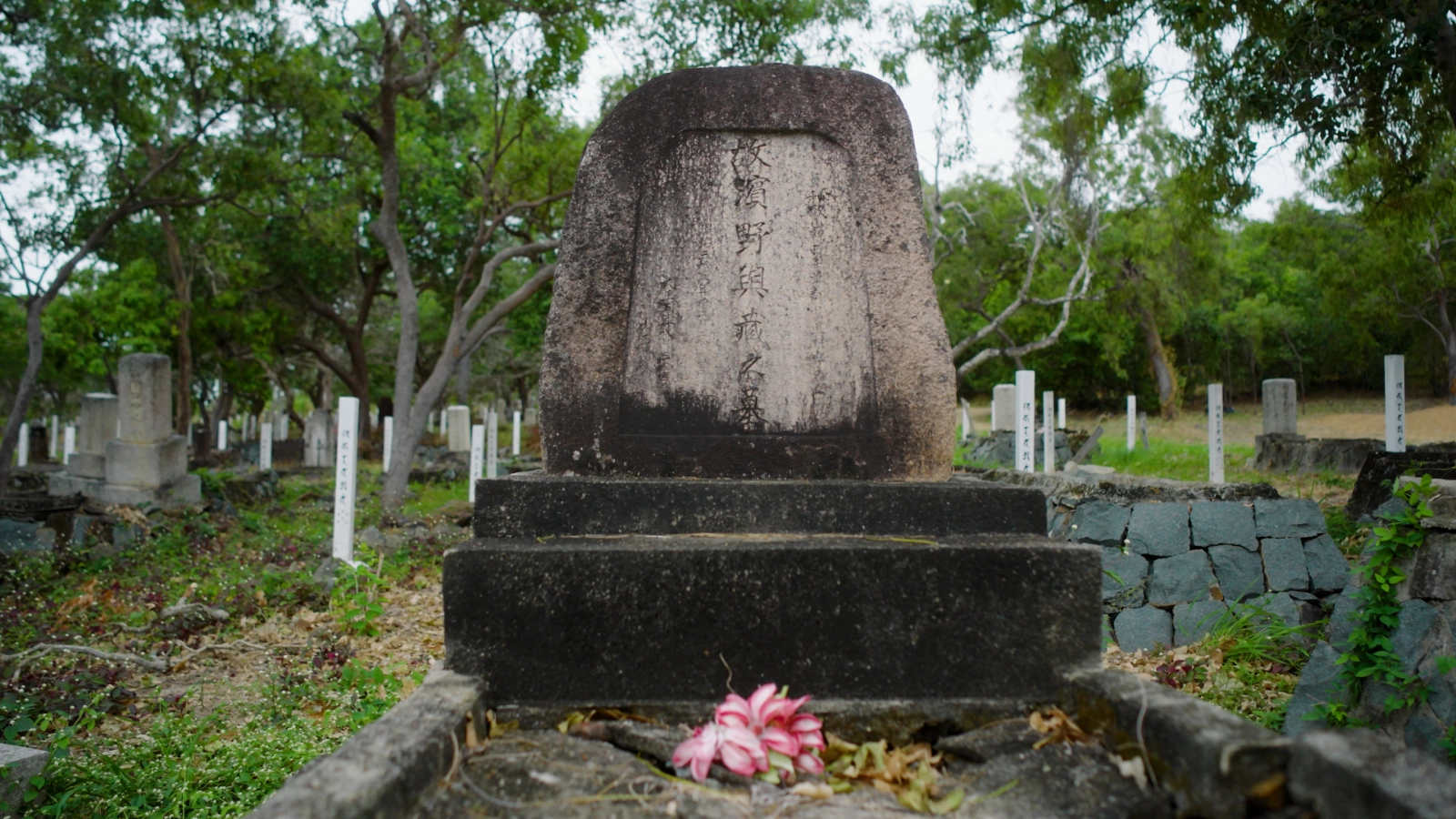
Thursday Island, in the Torres Strait Islands, had a sizable Japanese community, living in a Japanese quarter known then as ‘Yokohama’ or ‘Japtown’ in the late nineteenth-century. There was a Japanese Club, called Nihonjin-kai, boarding houses, bathhouses, brothels, shops and eateries, and by 1910, three soya sauce factories. Japanese men, mainly from the Wakayama province, were employed in the pearling industry as divers, and many tragically lost their lives and were buried in the Japanese Cemetery there. It contains 640 gravestones, 12 of which are women’s.1 Little has been recorded of their religious lives, but they likely also had shrines in their houses and celebrated Buddhist festivals such as Obon, as has been documented in Broome, which also had a sizable Japanese population.
In 1900, there were 1,030 Japanese males and 61 Japanese females living in the Torres Strait Islands. The Japanese divers were exempt from the 1901 Immigration Restriction Act, given the pearling industry’s dependence on them.2 When World War II broke out in 1941, 359 Japanese men, women and children were interned, initially within a temporary ‘Yokohama’ camp, and then transferred to mainland internment camps at Hay and Loveday for men and Tatura for women and families. In 1946 all except for Australian-born Japanese or Japanese nationals with Australian born partners and children were repatriated to Japan. Those who died in the internment camps were buried at the Japanese War Cemetery in Cowra.3
Thursday Island was not bombed by the Japanese, and this is said to have helped the 25 Japanese persons, including the Yamashita and Nakata families, to return and be welcomed back to the Island at the end of the war. Their pre-war businesses and houses had been destroyed but they managed to rebuild their lives with support from the multicultural Torres Strait Islands community.4
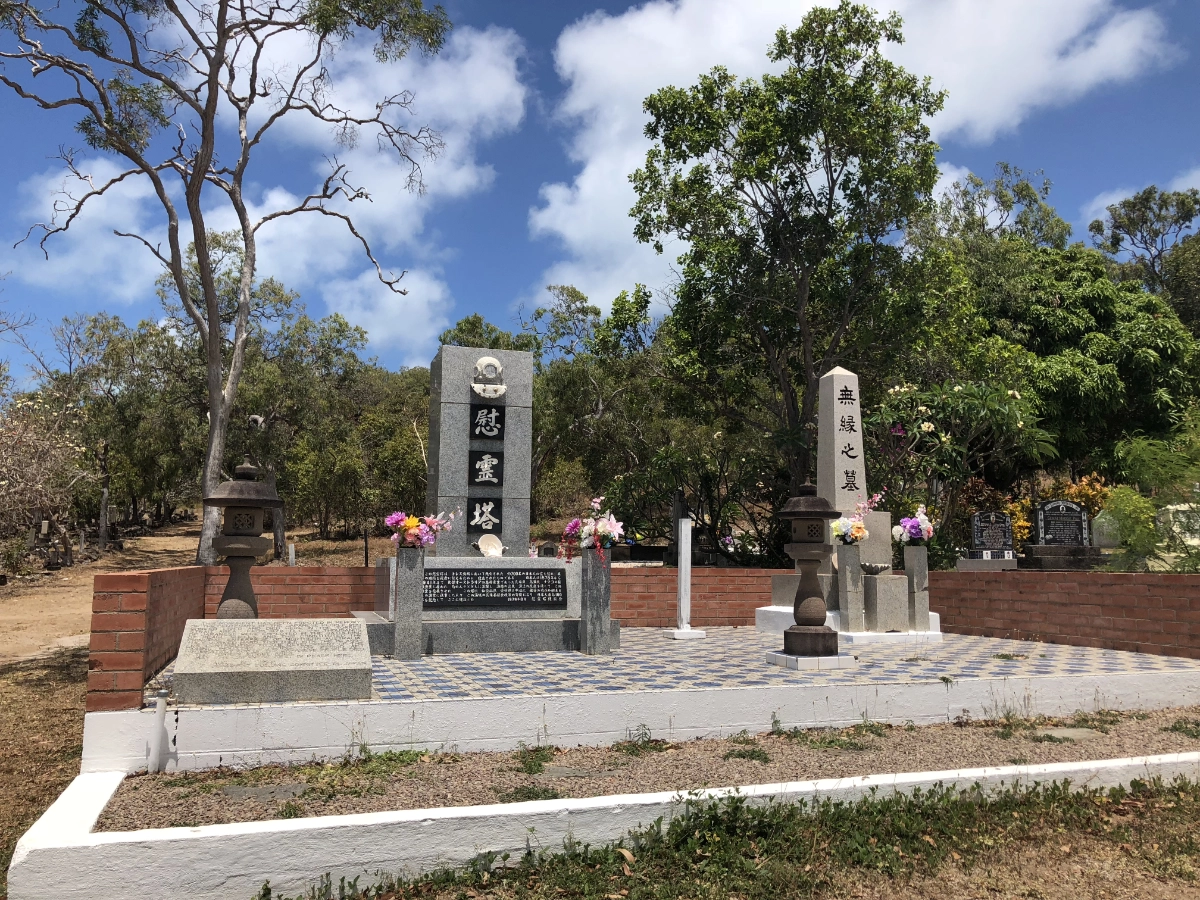
To help regenerate the pearling industry, 106 Okinawans were permitted to work in Thursday Island in 1958. By 1960 demand for pearl-shell declined, replaced by plastic, and the industry shifted to cultured pearling, which brought a new wave of Japanese technicians to the region. Descendants of these Japanese communities still live in Thursday Island, and a memorial commemorating the Japanese ‘who worked, lived and died’ in the Torres Straits area’ was erected in the Thursday Island Cemetery by the Japanese Consulate in 1979.5
By: Anna Halafoff and Sioh Yang Tan
References:
1 Yuriko Nagata, “The Japanese in the Torres Strait,” in Navigating Boundaries: The Asian Diaspora in Torres Strait, ed. Anna Shnukal, Guy Ramsay, and Yuriko Nagata (ANU Press, 2017), 139-160; David Carlisle Stanley Sissons, “The Japanese in the Australian Pearling Industry,” Queensland Heritage 3, no. 10 (1979): 8–27.
2 Nagata, “The Japanese in the Torres Strait”, 141; Steve Mullins, Torres Strait, a History of Colonial Occupation and Culture Contact, 1864–1897 (Central Queensland University Press, 1995), 157.
3 Nagata, “The Japanese in the Torres Strait”; Yuriko Nagata, Unwanted Aliens: Japanese Internment in Australia (University of Queensland Press, 1996).
4 Nagata, “The Japanese in the Torres Strait.”
5 Nagata, “The Japanese in the Torres Strait”, 154; Regina Ganter, The Pearl-Shellers of Torres Strait: Resource Use, Development and Decline, 1860s–1960s (Melbourne University Press, 1994); “Thursday Island Cemetery,” Torres Shire Council, accessed June 1, 2026, https://www.torres.qld.gov.au/Community/Council-Facilities/Thursday-Island/Thursday-Island-Cemetery.