
Cowra Japanese War Cemetery & the Cowra Japanese Garden
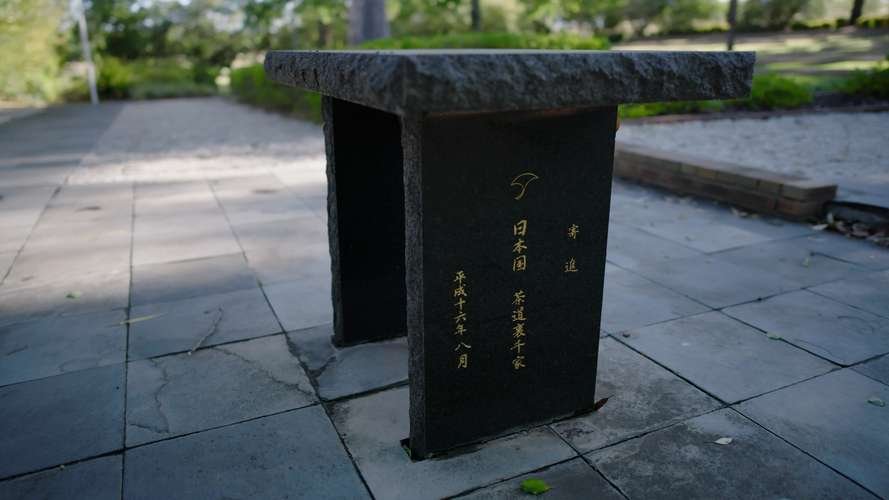
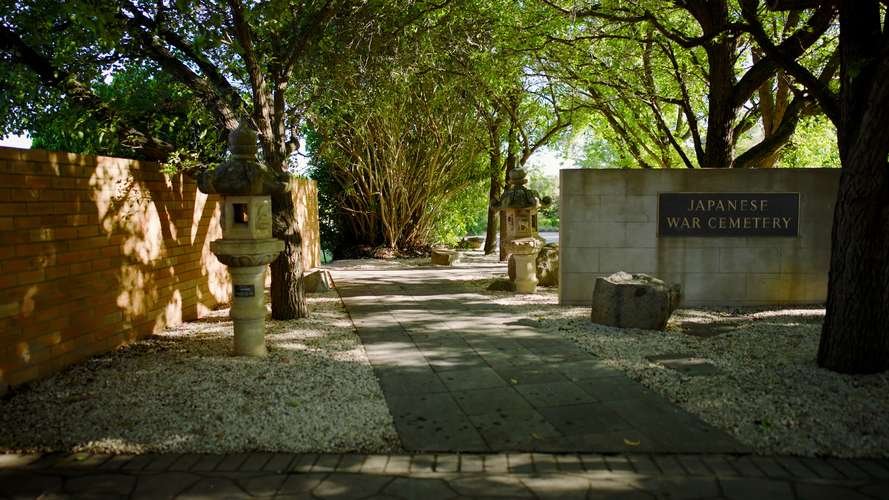
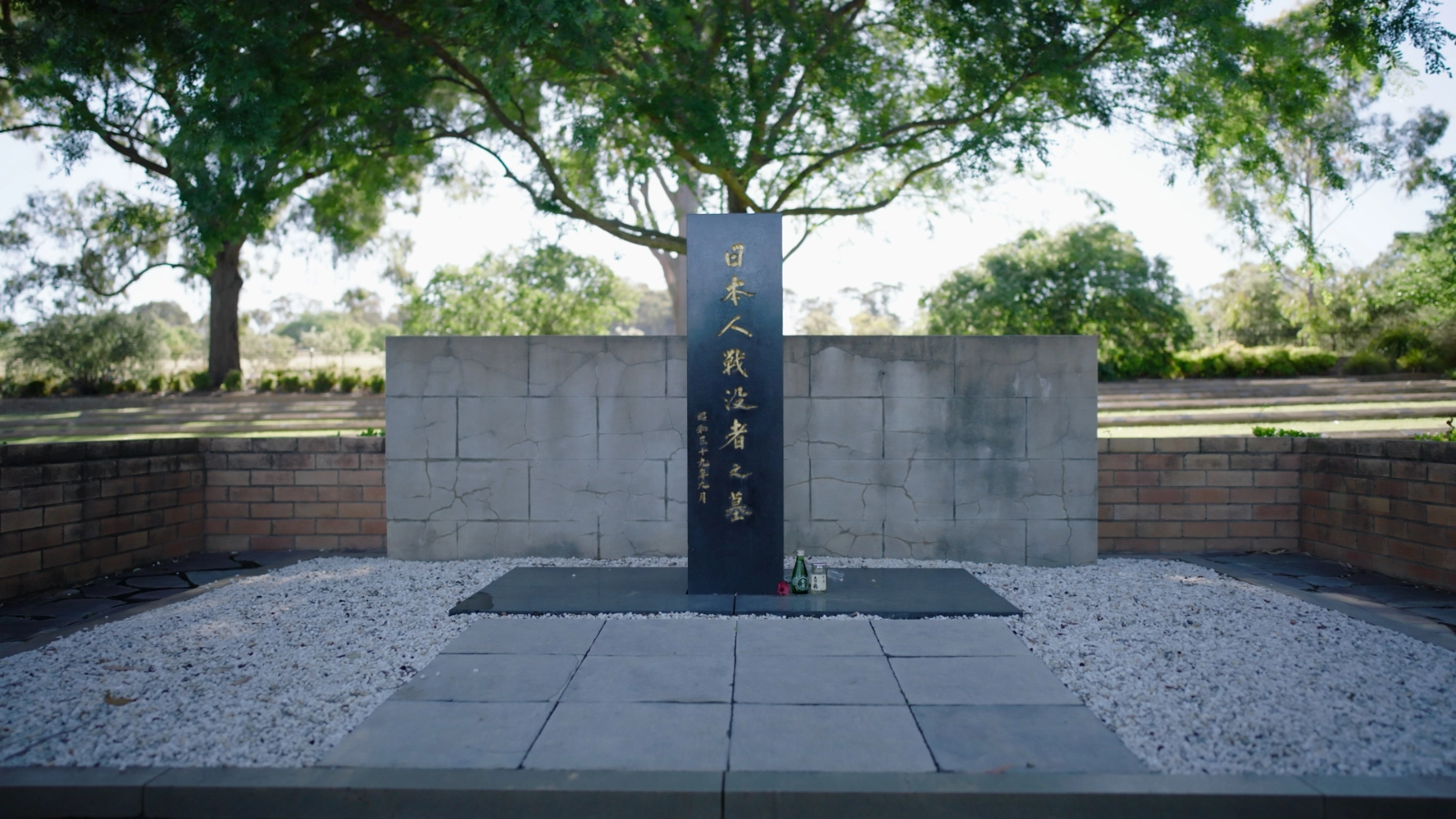
The Cowra Japanese War Cemetery and the Cowra Japanese Garden emerged from a deeply traumatic event: the deaths of 234 Japanese Prisoners of War (POW) and three Australian servicemen during a breakout in 1944. Through locals tending to Japanese and Australian graves in the POW cemetery, a sister-city agreement with Himeji in Japan, and the creation of a Japanese garden redolent of Buddhist symbolism, this tragic event gave rise to reconciliation and peace.1
Japanese Buddhist rituals, symbols and beliefs associated with death have been central in the instigation and design of this reconciliation, transforming places of pain and shame to sites of connection, heritage and healing.2
Since the inauguration the Cowra Japanese War Cemetery in 1964, Japanese Buddhist priests have performed kuyō (a ‘ceremonial prayer or offering to respect, honour and calm the spirits of the deceased’3), which are attended by dignitaries, descendants, local Australians, and Japanese Australians.
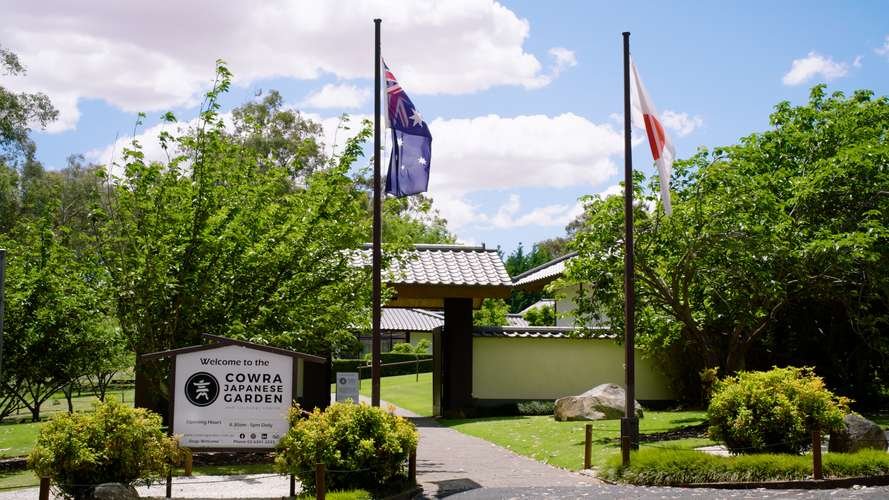
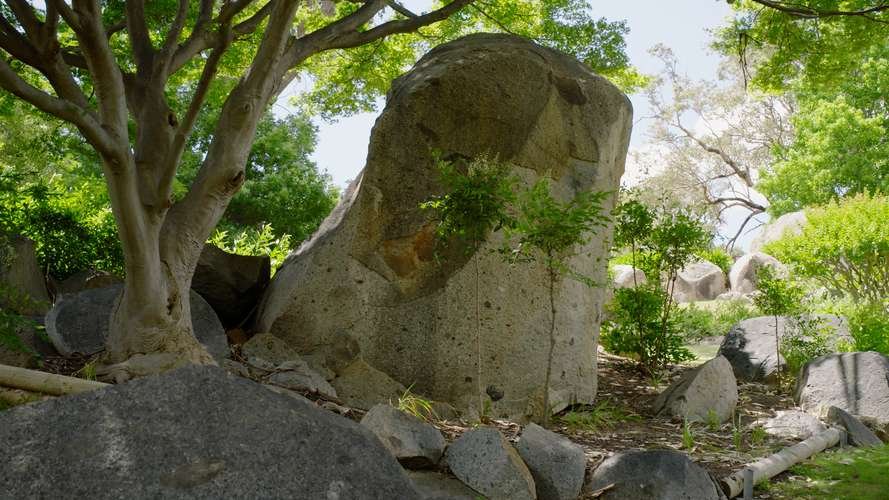
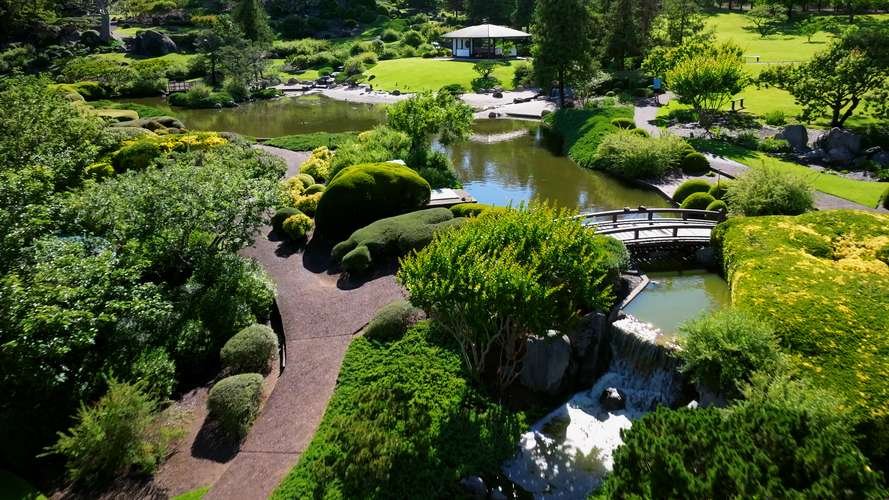
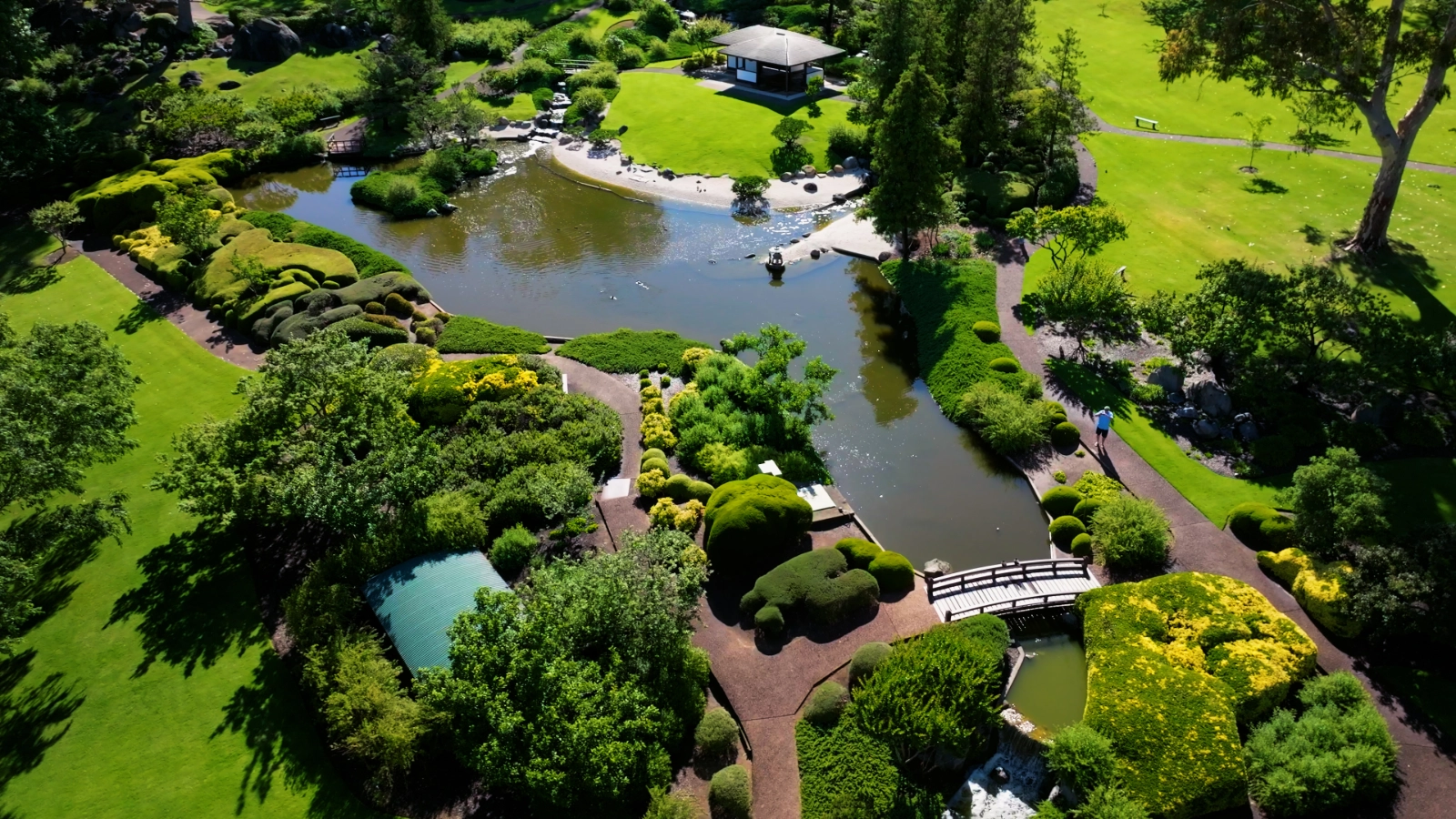
The Cowra Japanese Garden, designed in 1977 by renowned Japanese landscape architect Ken Nakajima (1914-2000) in collaboration with Cowra resident Don Kibbler (1936-2024), was created with the goal of memorialisation and healing. When Nakajima first saw the site, he was so impressed that ‘he felt the Buddha had put that site there ready and the idea of the garden was Buddha’s idea’.4 The garden emulates Buddha’s Pure Land, providing a resting place to soothe the souls of the dead, while offering visitors a ‘therapeutic landscape’, that induces contemplation and elicits remembering of breath and body.5 The Garden also hosts the Sakura Matsuri (Cherry Blossom Festival) and the Kōyō Matsuri (the Autumn Festival) annually.6
By: Ruth Fitzpatrick and Cristina Rocha
References:
1 Steven Bullard and Keiko Tamura, Blankets on the wire: The Cowra Breakout and its Aftermath (Australian War Memorial, 2006), Olga Blacha, “The Heritage Values of the Cowra Japanese Garden” (PhD diss., University of Canberra, 2015).
2 Elizabeth Rechniewski, “The memorial path from Darwin to Cowra,” Journal of the Oriental Society of Australia 44 (2012): 48-64; Blacha, “Heritage Values”.
3 Mayu Kanamori, “‘In Repose’: a photo-essay,” Journal of Australian Studies 32, no. 4 (2008): 493-497, 493; Timothy K. Steains, “Nikkei Australian identity and the work of Mayu Kanamori,” in Japan in Australia, ed. David Chapman and Carol Hayes (Routledge, 2019), 130-148; Bullard and Tamura, Blankets on the wire.
4 Don Kibbler, “Cowra-Japan Conversations,” interview by Terry Colhoun, Australia–Japan Research Project, Australian War Memorial, 2003, http://ajrp.awm.gov.au/ajrp/ajrp2.nsf/trans/3D3B83F45CF2C4B0CA256D56001F25E1?openDocument.
5 Blacha, “Heritage Values,” 60, 51.
6 “Events Page,” Cowra Japanese Garden and Cultural Centre, accessed May 20, 2026, https://www.cowragarden.com.au/events.