
Ahimsa & The Hut of Happy Omen
Marie Byles was a trailblazer in numerous domains; mountaineer, conservationist, feminist, author, and the first female to be admitted to practice law in NSW. Between the 1950s-1970s she was one of the most renowned Buddhists in Australia.1
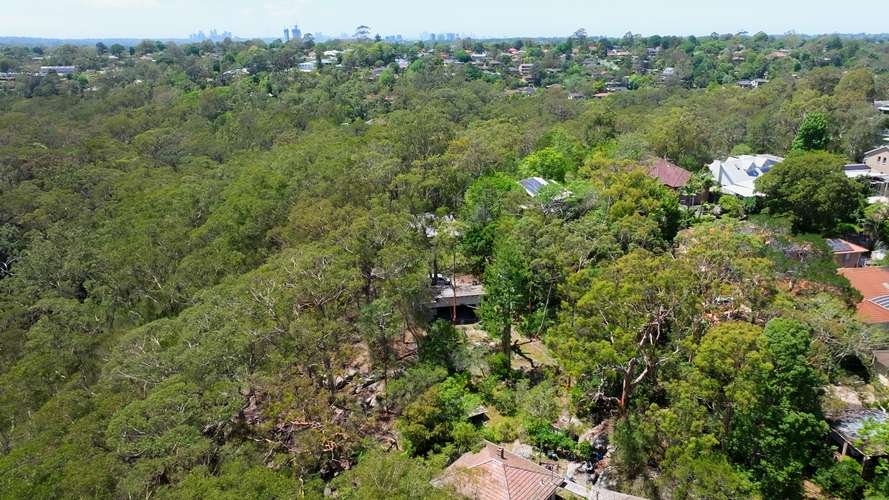
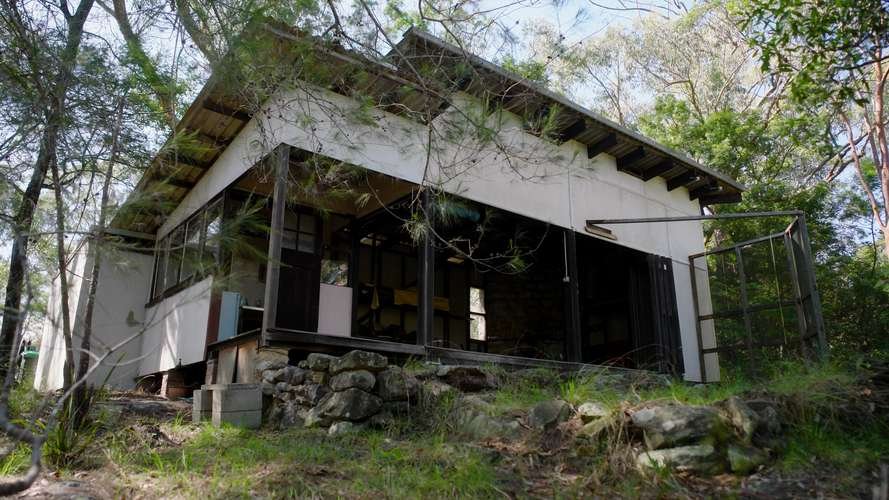
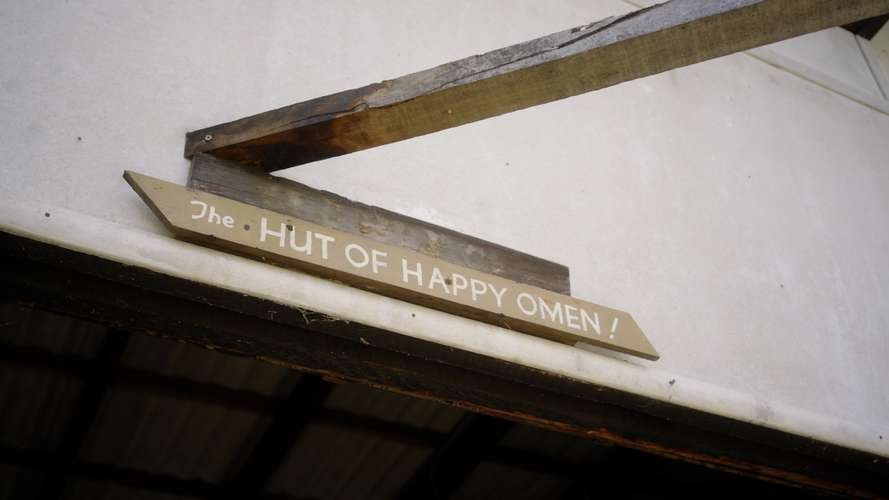
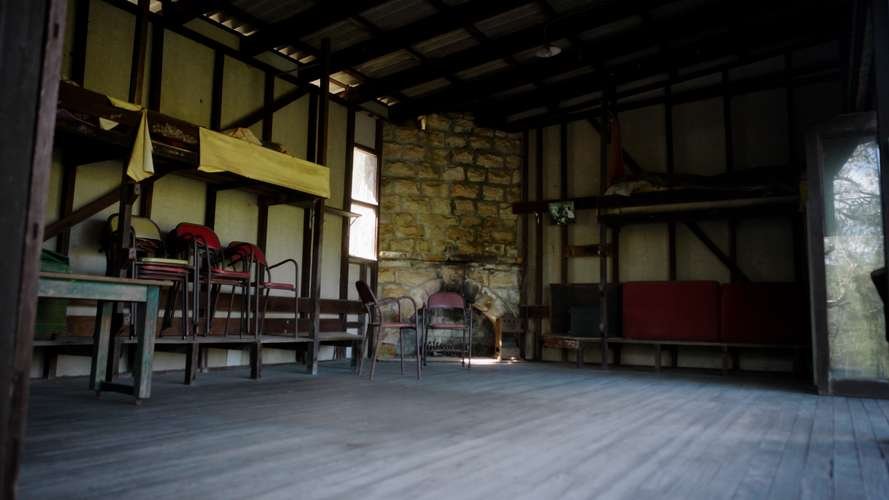
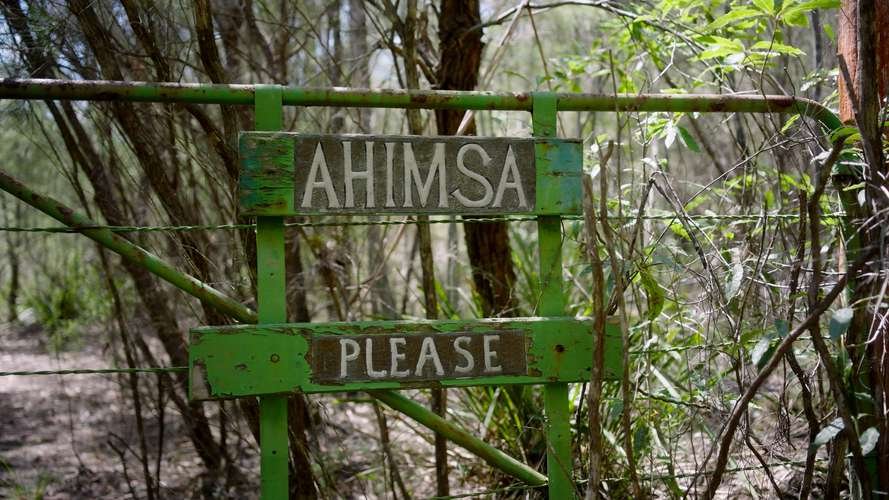
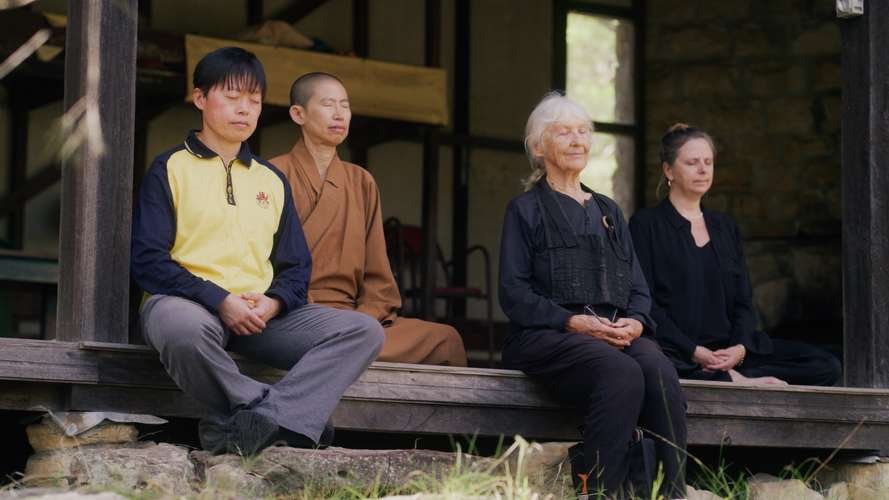
Byles was first introduced to Buddhism in Burma in 1938 while scaling mountains. The same year she purchased a large bush property on the outskirts of Sydney to protect as a nature reserve. On her return from Burma, she named it Ahimsa, which means non-violence. She built her home and The Hut of Happy Omen there, to host Buddhist meditation teachings and events. In 1949 it was the site of the first ever Vesak celebration by non-Asian Buddhists in Australia.2
Byles returned to Asia several times on pilgrimage and retreat. She made an in-depth study of the Pali Buddhist canon and wrote numerous articles popularising Buddhism for an international audience. Two of her books on Buddhism, Footprints of Gautama the Buddha (1957) and Journey into Burmese Silence (1962) were read widely. She was also central to the formation of the Buddhist Society of New South Wales in 1948. She died at her home in 1979 and donated Ahimsa to the National Trust (NSW).3
By: Ruth Fitzpatrick and Anna Halafoff
References:
1 Anne McLeod, The Summit of her Ambition: The Spirited Life of Marie Byles (Anne McLeod 2016); Gillian Coote, “A Singular Woman: Marie Byles 1900-1979”, Documentary Film, Sydney, 1984; Paul Croucher, Buddhism in Australia: 1848–1988 (New South Wales University Press, 1989).
2 McLeod, The Summit of her Ambition; Croucher, Buddhism in Australia.
3 McLeod, The Summit of her Ambition; Croucher, Buddhism in Australia.