
Hou Wang Chinese Temple and Museum
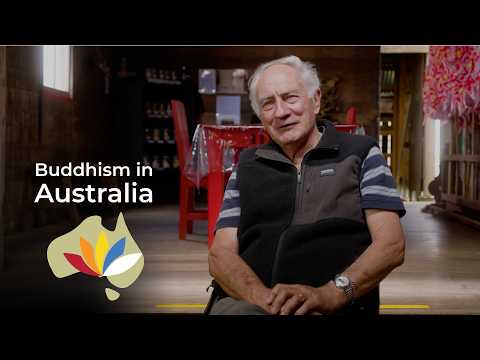
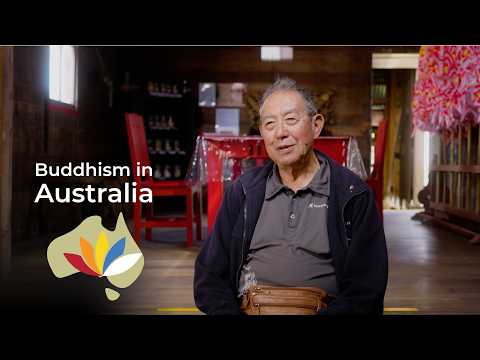
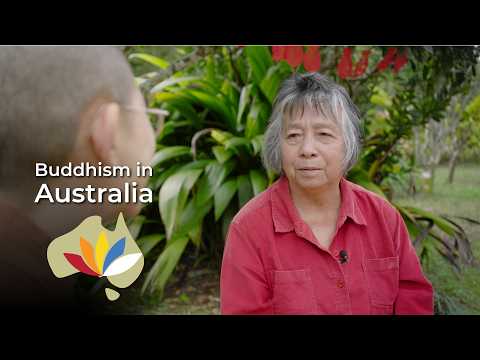
The Hou Wang Chinese Temple is one of the best-preserved Chinese Temples in Australia, managed by the National Trust of Australia (Queensland). It is cared for and attended by local Australian-Chinese community members, as well as a popular tourist attraction for the wider public.1
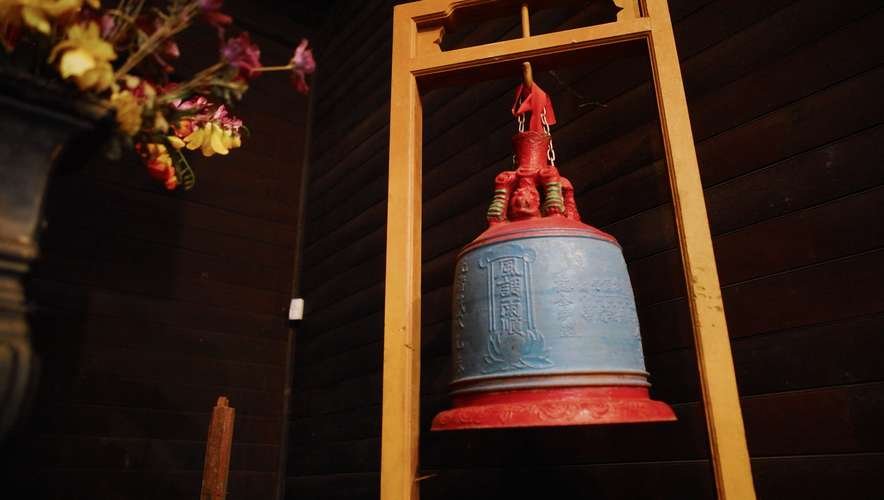
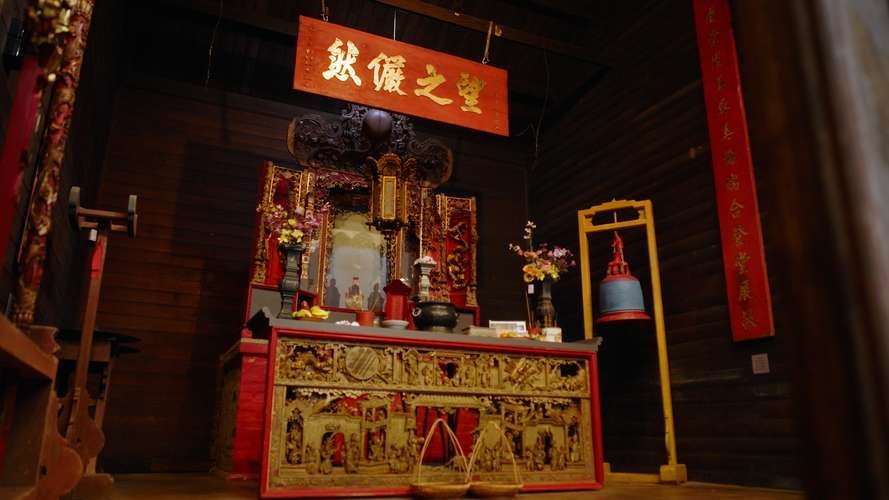
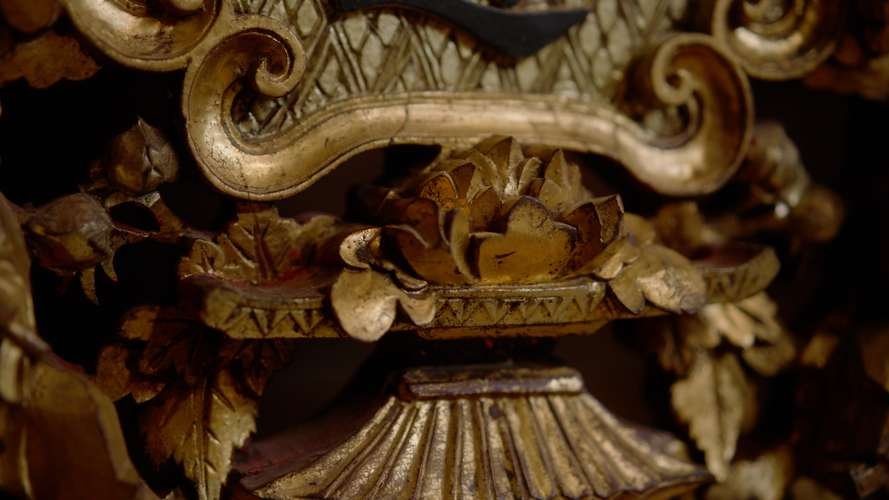
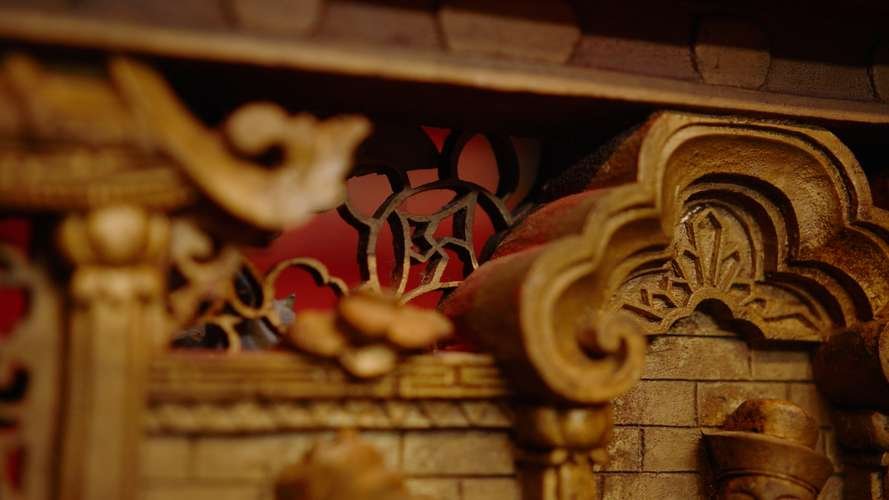
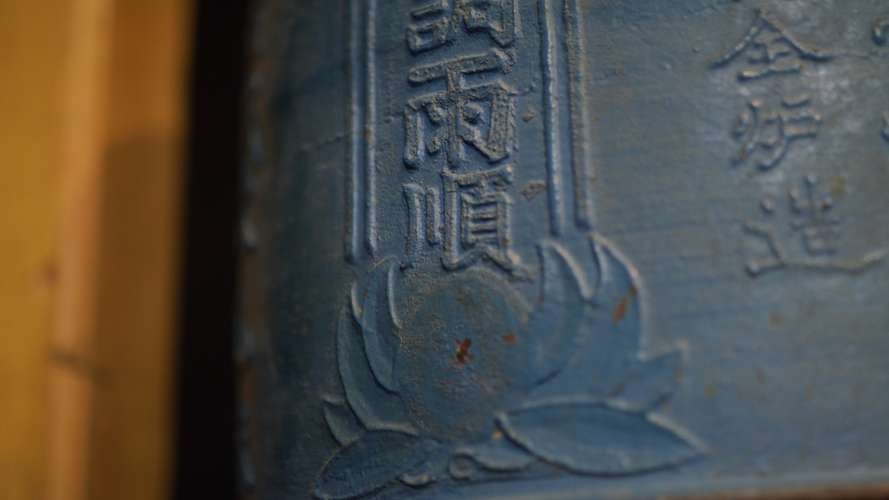
While there was an earlier Hou Wang Palace ( 侯王宮hóu wáng gōng) in Atherton, constructed around 1895, the black beam, cedar timber and corrugated iron Hou Wang Miao (Temple) (侯王廟 hóu wáng miào) was constructed in 1903. The temple was designed according to feng shui (geomancy) principles, with a high clearstory roof and a heavenly well, where offerings were made. The temple is dedicated to Hou Wang, which refers to the rank of Yang Lung Chieh (楊亮節Yáng liàngjié), a bodyguard and commander of the last Southern Sung Emperor, who was deified for supervising the defence of Kowloon in the 13th century. The temple features a large carved wooden altar furnishing, an incense burner and a temple bell. These include lotus, endless knot and swastika motifs. Beside the temple is a meeting hall, kitchen and caretaker’s quarters.2
There was a substantive Chinese population on the Atherton Tablelands, working in the timber and maize industries. The temple site was adjacent to market gardens and a pig roasting oven, in an area known as Cedar Camp and ‘Atherton Chinatown’.3 Some other significant early Far North Queensland Chinese temples were in Cooktown, Cairns, and Mackay, which like the Atherton and other early Chinese temples in Australia include Daoist, Buddhist, Confucian and folk elements.4
Mr and Mrs John Fong On, members of the prominent Fong On family of Atherton, purchased the Hou Wang Temple site and donated it to the National Trust of Australia (Queensland) in 1979.5 Mrs Fong On prayed at and cared for the temple for many years. Archaeologist Gordon Grimwade has overseen the temple restoration and documented the significance of this and many other Chinese temples across the Far North of Australia.6
By: Anna Halafoff and Sioh Yang Tan
References:
1 “Hou Wang Chinese Temple and Museum,” National Trust of Australia (Queensland), accessed September 8, 2026, https://nationaltrustqld.org.au/visitor-sites/hou-wang-chinese-temple-and-museum/; Kerry King, “Kerry King | Hou Wang Temple Atherton | Buddhism in Australia,” conducted by Buddhism in Australia research team, interview, 2024, posted Nov 21, 2025 , by Nan Tien Institute, YouTube, https://youtu.be/xuoNHP1sE5Q; Rose Mar, “Rose Mar| Hou Wang Temple Atherton | Buddhism in Australia,” conducted by Buddhism in Australia research team, interview, 2024, posted Nov 21, 2025 , by Nan Tien Institute, YouTube, https://youtu.be/7wJdR1ROvj8.
2 Gordon Grimwade, “Worshiping the North: Early Chinese temples in mainland tropical Australia,” International Journal of Historical Archaeology 29, no. 3 (2025): 491–527, https://doi.org/10.1007/s10761-024-00762-6; Gordon Grimwade, “Of gods, timber and maize: Cultural heritage management at Cedar Camp (Atherton Chinatown Queensland),” in Histories of the Chinese in Australasia and the South Pacific, ed. Paul Macgregor (Museum of Chinese Australian History, 1995), 307–319.
3 Grimwade, “Of gods, timber and maize.”
4 Jack Waltham, Chinese Temples in Australia (Flinders University, 2014); Grimwade, “Worshiping the North”; Grimwade, “Of gods, timber and maize.”
5 Grimwade, “Of gods, timber and maize.”
6 Grimwade, “Worshiping the North.”