
Chinese Community of Thursday Island
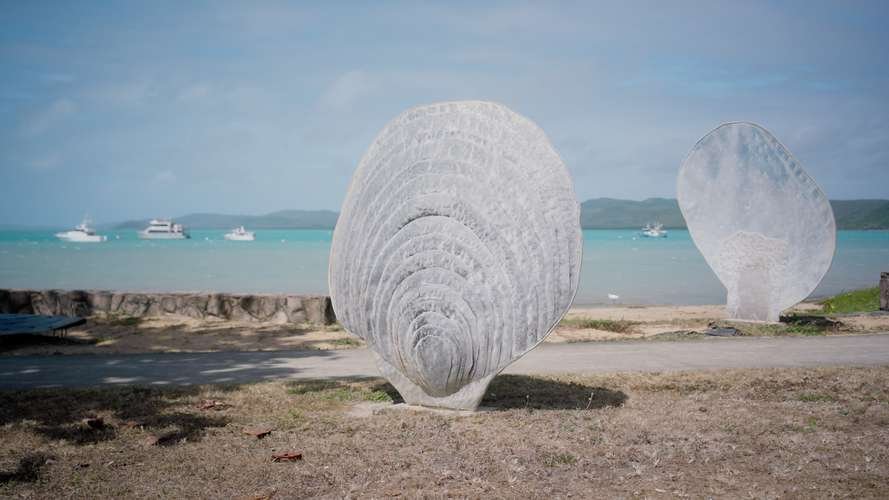
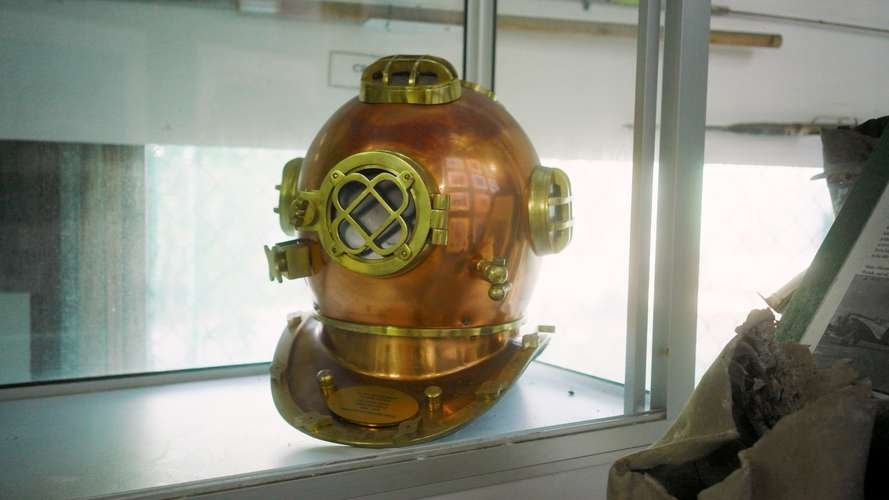
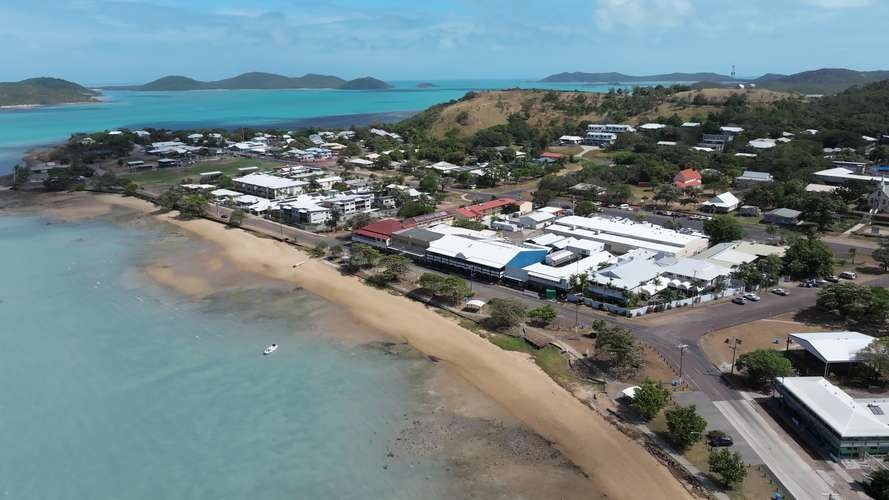
A Chinese market garden was first planted on Thursday Island (TI) in the 1870s, and as the pearling industry boomed so too did the number of Chinese residents, who numbered 1,702 in 1898. They included gardeners, merchants, bakers, cooks, tailors and tradesmen, who supported the pearling community, but their numbers decreased after the introduction of the 1901 Immigration Restriction Act. The Chinese community also established a temple on Thursday Island, in this early period.1
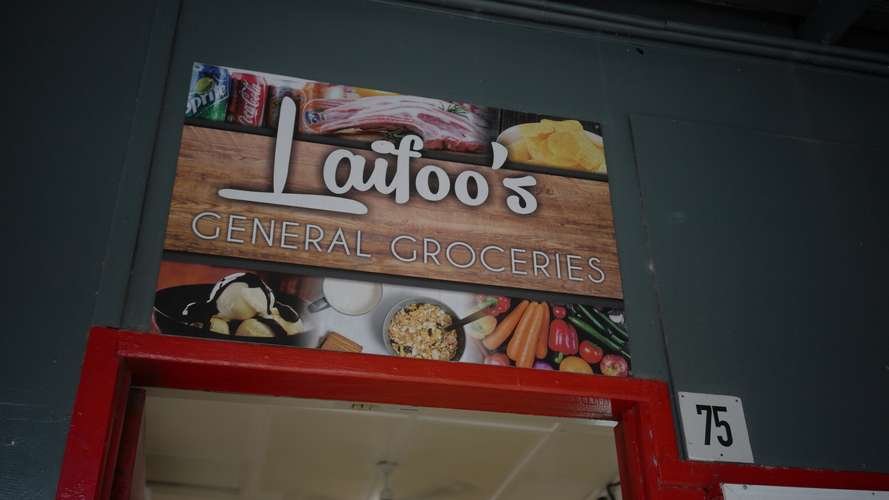
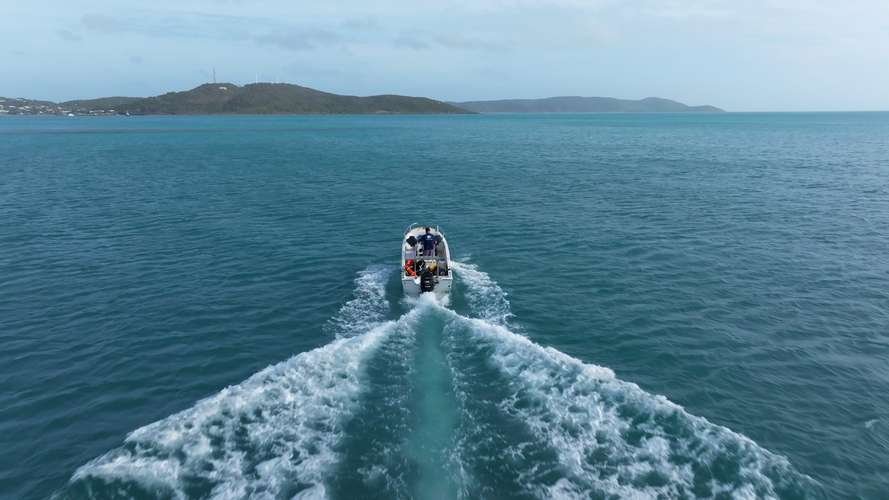
During World War II the TI Chinese community was interned on the mainland, and only four Chinese families returned to TI at the end of the war. They included the prominent Laifoo and Seekee merchant families, who had to rebuild their businesses, and who remain on Thursday Island and Horn Island to this day. Ron Laifoo, the son of George Laifoo, runs a grocery store in TI’s Douglas street, and Ron’s son Dirk Laifoo, owns and operates Torres Strait Eco-Adventure Tours. Vanessa and Arthur Liberty Seekee established and oversee the Torres Strait Heritage Museum on Horn Island.2
By: Anna Halafoff and Sioh Yang Tan
References:
1 Guy Ramsay, “The Chinese Diaspora in Torres Strait,” in Navigating Boundaries: The Asian Diaspora in Torres Strait, ed. Anna Shnukal, Guy Ramsay, and Yuriko Nagata (ANU Press, 2017), 53-80; Stanley J. Sparkes and Anna Shnukal, “The Sri Lankan Settlers of Thursday Island,” in Navigating Boundaries: The Asian Diaspora in Torres Strait, ed. Anna Shnukal, Guy Ramsay, and Yuriko Nagata (ANU Press, 2017), 161-202; Guy Ramsay and Anna Shnukal, “‘Aspirational’ Chinese: achieving community prominence on Thursday Island, northeast Australia,” Asian and Pacific Migration Journal 12, no. 3 (2003): 343.
2 Ramsay, “The Chinese Diaspora in Torres Strait”; Yuriko Nagata, “The Japanese in the Torres Strait,” in Navigating Boundaries: The Asian Diaspora in Torres Strait, ed. Anna Shnukal, Guy Ramsay, and Yuriko Nagata (ANU Press, 2017), 139-160.