
Chinese Communities and Cemeteries in Northeast Tasmania
From the 1840s, the gold rush in Australia attracted a small number of Chinese gold miners to Tasmania. The discovery of tin in 1870s drew larger numbers, mostly young men from Guangdong Province. They worked the alluvial tin fields of Northeast Tasmania, areas considered marginal by European prospectors. Mining conditions were harsh, settlements were isolated, and transport infrastructure was minimal. Despite several accounts of conflicts, the Chinese communities were largely well accepted by Europeans in Tasmania. It is estimated that around 1,500 Chinese lived in the Northeast at the height of the tin-mining boom in the 1880s. As the tin industry declined, so too did the Chinese population. While many left Tasmania, some remained and moved to Launceston or Hobart. They established livelihoods as market gardeners, merchants, carpenters, and other tradespeople, and some married local women. Their descendants continue to live in Tasmania today. In 2021, around 12,300 Tasmanians (2% of the population) reported Chinese ancestry. 1
The Chinese communities on the tin fields were largely self-sufficient and maintained many traditional religious and cultural practices. During the 1880s, six Chinese temples were established at Weldborough, Garibaldi, Moorina, Gladstone, Branxholm, and Lefroy. As the mining population declined, artefacts from the smaller temples were transferred to the largest temple at Weldborough, which remained active until 1934, and were eventually donated to the Queen Victoria Museum and Art Gallery (QVMAG) in Launceston. The Guan Di Temple at the QVMAG remains active today.2
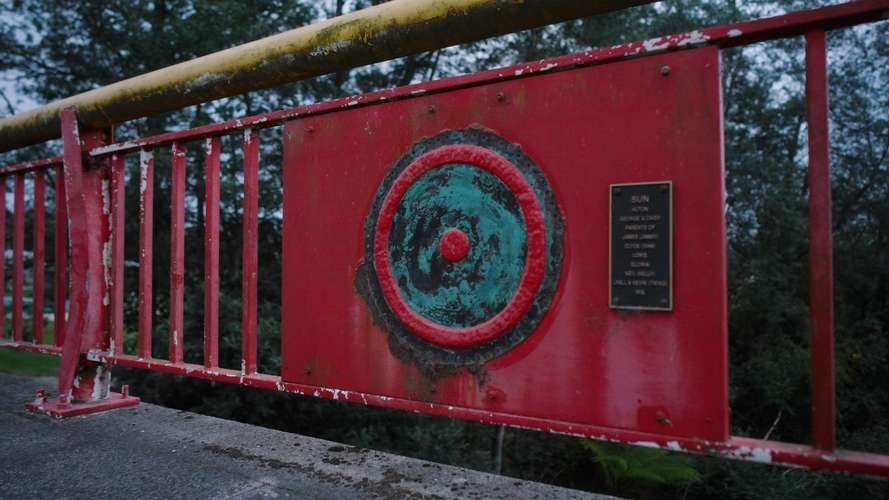
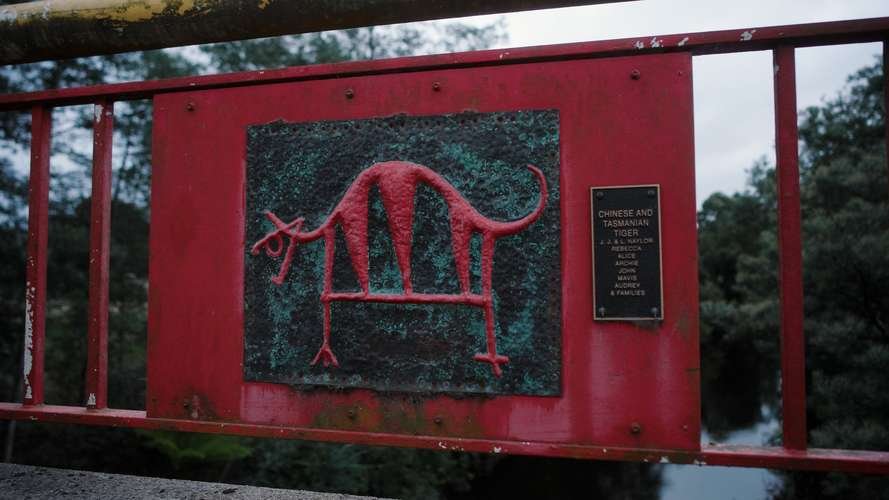
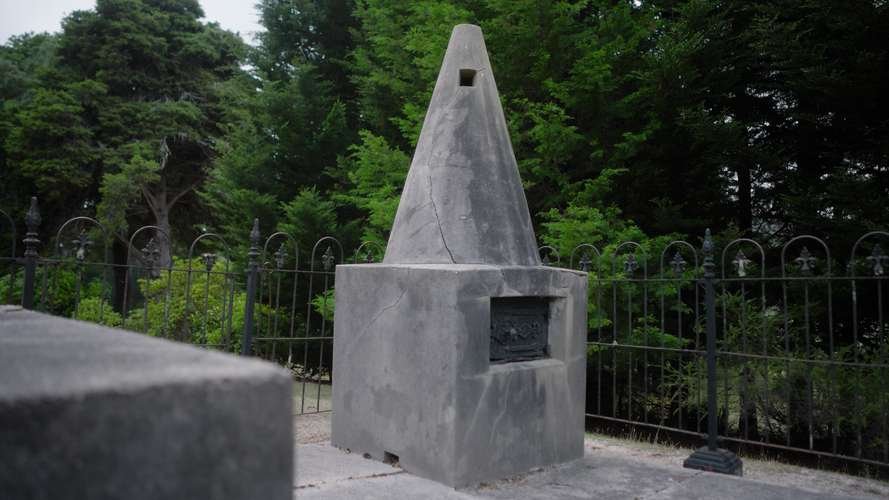
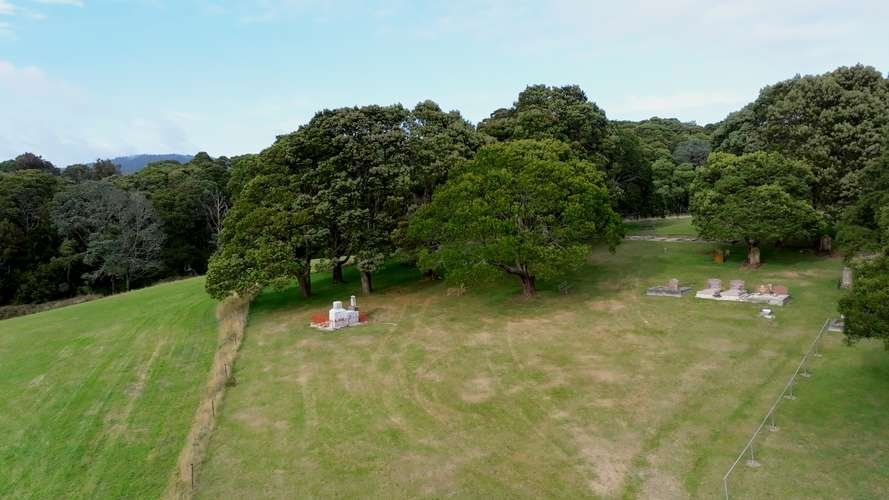
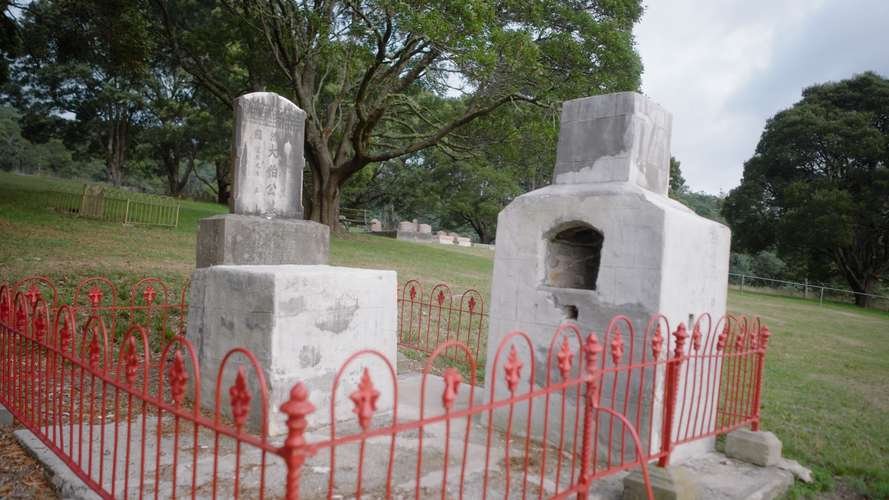
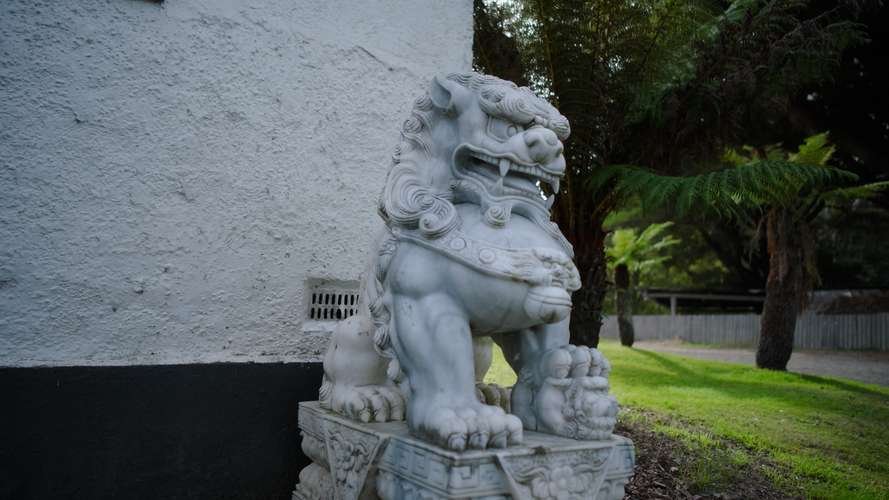
In Northeast Tasmania, other significant material elements of the tin-mining era also remain. They include Chinese graves and funerary burners at the Weldborough and Moorina cemeteries, and temple lions now outside the historic Weldborough Hotel. 3
By: Sioh Yang Tan, Anna Halafoff

References:
1 Jon Addison, “Guan Di and Tin Mountain: Chinese Temples in Northeast Tasmania,” The Newsletter 71 (Summer 2015): 56–57; Lee Mylne, “Tasmania’s forgotten Chinese history,” Australian Geographic, March 11, 2025, https://www.australiangeographic.com.au/history-culture/2025/03/tasmanias-forgotten-chinese-history/ ; Helen Vivian, “Tasmania’s Chinese Heritage: An Historical Record of Chinese Sites in North East Tasmania,” (Master’s thesis, University of Tasmania, 1985), https://eprints.utas.edu.au/17370/.
2 Addison,“Guan Di and Tin Mountain” 56–57; “Guan Di Temple,” Queen Victoria Museum and Art Gallery, accessed August 6, 2026, https://www.qvmag.tas.gov.au/Whats-on/Art-Gallery-at-Royal-Park/Guan-Di-Temple.
3 Tasmanian Heritage Council , Chinese Memorial and Graves, Weldborough cemetery, Tasmanian Heritage Register Datasheet, THR ID 11954, October 21, 2024, https://heritage.tas.gov.au/Documents/THR11954%20Permanent%20entry%20Chinese%20Memorial%20and%20Graves,%20Welborough%20Cemetery.pdf ; Mylne,“Tasmania’s forgotten Chinese history.”